Before heroes,
there was

An Epic Saga TV Series
12 episodes — A myth reborn for a modern audience.
An elevated, character-driven reimagining of the world’s oldest heroic story.
A king. A goddess. A wild man. A quest that rewrites what it means to be human.
A journey through power, love, brotherhood, loss, and the search for meaning.
01. LOGLINE
In humanity’s first epic, etched 5,000 years ago in Mesopotamia’s age of magic, the divinely handsome, half-god, half-man prince Gilgamesh must survive impossible trials to gain true wisdom—before the radiant goddess Ishtar, who falls passionately in love with him, can crown him king.
02. Tone & style
Visually and thematically echoes: Game of Thrones, Gladiator, Shogun, Avatar, Dune, The Last Emperor, Troy, Thor, Vikings, and The Revenant.
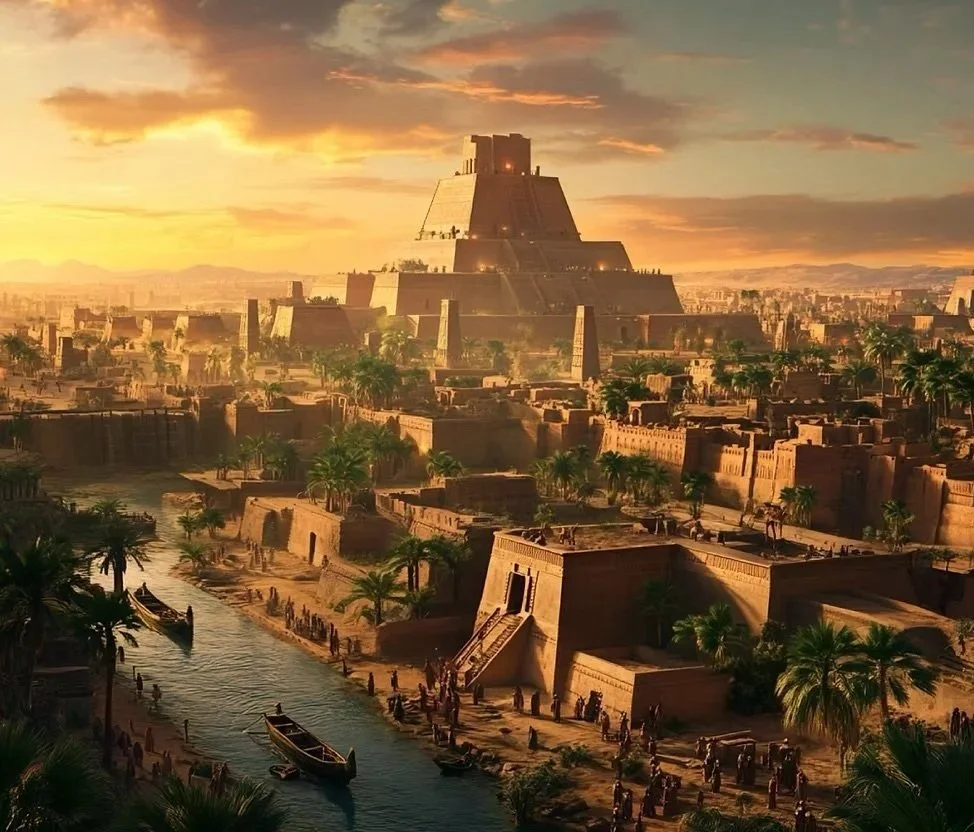
Ancient Mesopotamia brought to life with realism, grandeur, and scale.
03. CONCEPT SUMMARY
In a time of magic, in humanity's first epic poem etched 5,000 years ago, haunted by the gods and rivaled by the stunning goddess Ishtar, young Prince Gilgamesh adopts a wild man as his best friend, infuriating Ishtar, who falls deeper in love.
Heartbroken at the death of Enkidu, his wild friend, King Gilgamesh abandons his kingdom to search for immortality, embarking on humanity's' oldest odyssey, shadowed by the powerful goddess Ishtar, who falls deeply in love with Gilgamesh.
-
Set 5,000 years ago in the age of magic, Gilgamesh reimagines humanity’s oldest epic. Young Prince Gilgamesh, haunted by gods and challenged by the powerful goddess Ishtar, forms an unlikely bond with Enkidu—a wild man created to humble him. Their friendship enrages Ishtar, who falls intensely in love with Gilgamesh.
When Enkidu dies, the grief-stricken king abandons his throne and begins the first epic odyssey in human history—a dangerous quest for immortality.
-
The Epic of Gilgamesh was written about 3,000 years before the Bible and the Quran. The books with their many taboos about sex and sensuality, especially the suppression of women and regulations forbidding female sensuality. Thereby restricting women's freedom to express their natural desires, marginalizing them as unequal in the society.
Sensual scenes essential and organic to this story are intended to be teased and suggested via partial, subtle visuals and edits, similar to such films as Bernardo Bertolucci’s The Last Emperor, David Fincher’s The Social Network, The Vikings, and the iconic TV series “Game of Thrones.”
-
Action
Drama
Romance
Tragedy
Epic
04. Why gilgamesh?
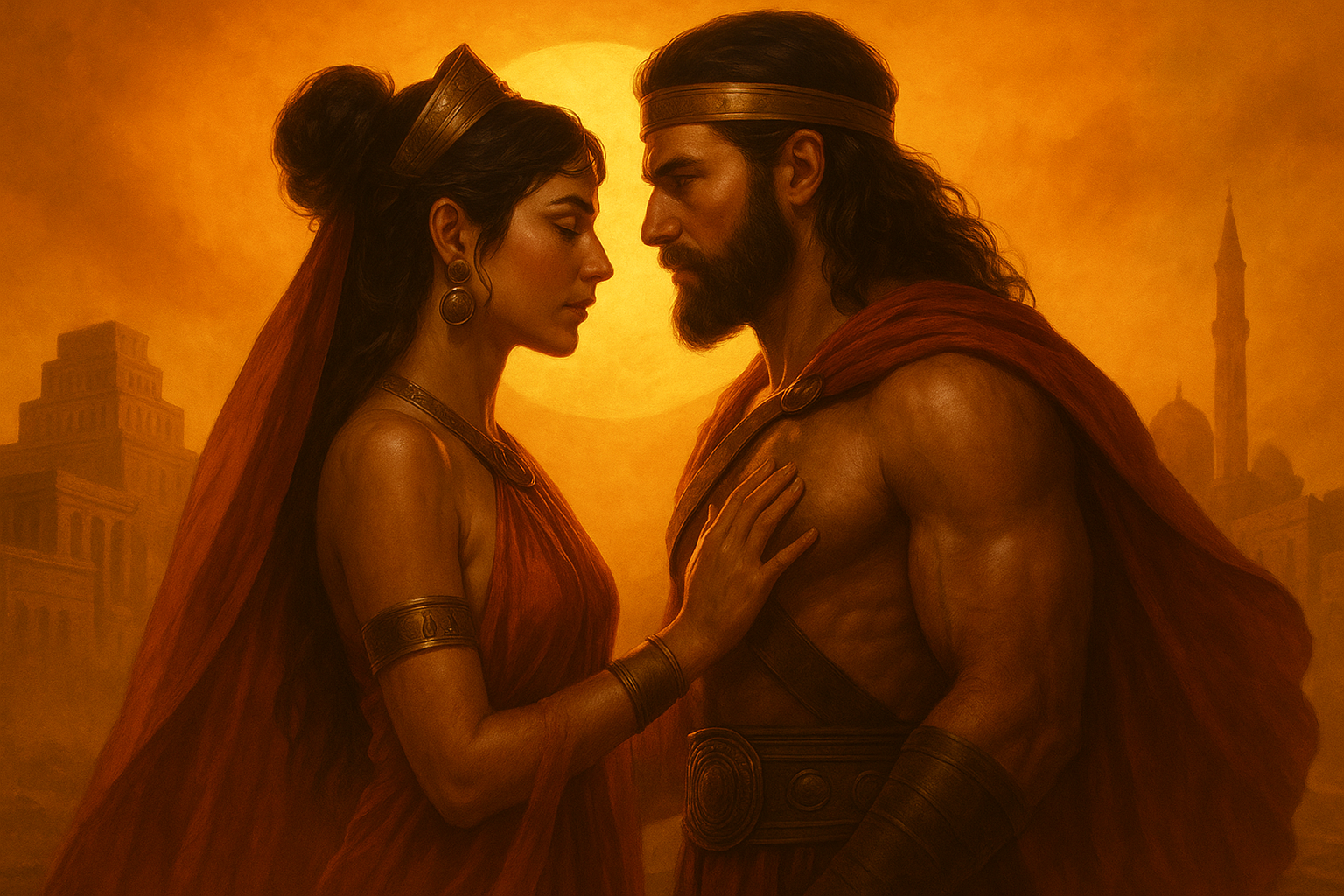
A cinematic, emotionally driven series set in ancient Sumer — the cradle of civilization, birthplace of over forty world-shaping innovations. The story follows the half-god king Gilgamesh and Enkidu, a wild man in harmony with Nature, whose friendship and humanity transforms a tyrant into a hero.
As their journey continues, the epic explores:
Friendship, love, grief, heroism, grandeur, and destiny
The magical, mythic world of early civilization
The profound search for Immortality
Gilgamesh’s fateful encounter with Utnapishtim, the ancient “Noah” figure
Philosophical reflections on life, death, and after-life
The series naturally taps into cultural fascination — and potential controversy — surrounding Noah’s Biblical Great Flood predating the Old Testament by 3,000 years.
Enkidu’s bond with animals and nature provides a modern emotional anchor, especially for today’s audience.
1. Universal Emotion
Epic themes that resonate today — friendship, love, grief, and destiny — told with cinematic intensity.
2. A World not Seen on TV
The first civilization brought to life with fantasy, adventure, ritual, and bold sensuality rooted in ancient Sumer.
3. Humanity’s First Epic
A timeless myth about heroism, nature, and the search for Immortality, adapted for today’s audience.
05. The Power of Ancient Epics in Cinema
A Major Market Gap
Despite the genre’s attraction, no film or TV series has explored ancient Mesopotamia — the birthplace of the earliest extant written epic story of humanity’s first hero.
$6 Billion worldwide
The Avatar trilogy has surpassed $6 billion worldwide, driven by the massive success of the first two films and strong earnings from Fire and Ash.
$1.1 billion Worldwide
Dune Part 1 & Part 2
Proof that audiences crave mythic, world-building epics.
$503M+ Worldwide
Gladiator
The gold standard of ancient storytelling, still culturally dominant 20+ years later.
Record-Breaking 18 Emmy Awards
Shōgun (2024) — the most-awarded single TV season in history.
19.3 Million Viewers
Series finale of Game of Thrones — the most-watched episode in HBO history and grew into a $3+ billion franchise.
06. marvel vs. Gilgamesh
This TV series, a faithful adaptation of The Epic of Gilgamesh is not the Marvel conception. Our Gilgamesh interprets the original tablets: a divinely beautiful, half-god, half-man warrior king whose strength and charisma shapes the world’s first civilization.
Culturally Authentic.
The visual identity draws from the true descendants of ancient Sumerians—Kurds, Assyrians, Armenians—creating a grounded story authentic to Mesopotamia.A Hero Who Evolves.
Unlike modern heroic portrayals, this Gilgamesh begins as a flawed, reckless prince who evolves into a visionary ruler under whom writing, law, irrigation, and over forty world-shaping innovations paved the way to the first civilization.Both Can Coexist.
Marvel offers a modern superhero. This TV series recounts the first hero’s epic journey in human history.
07. Episodes
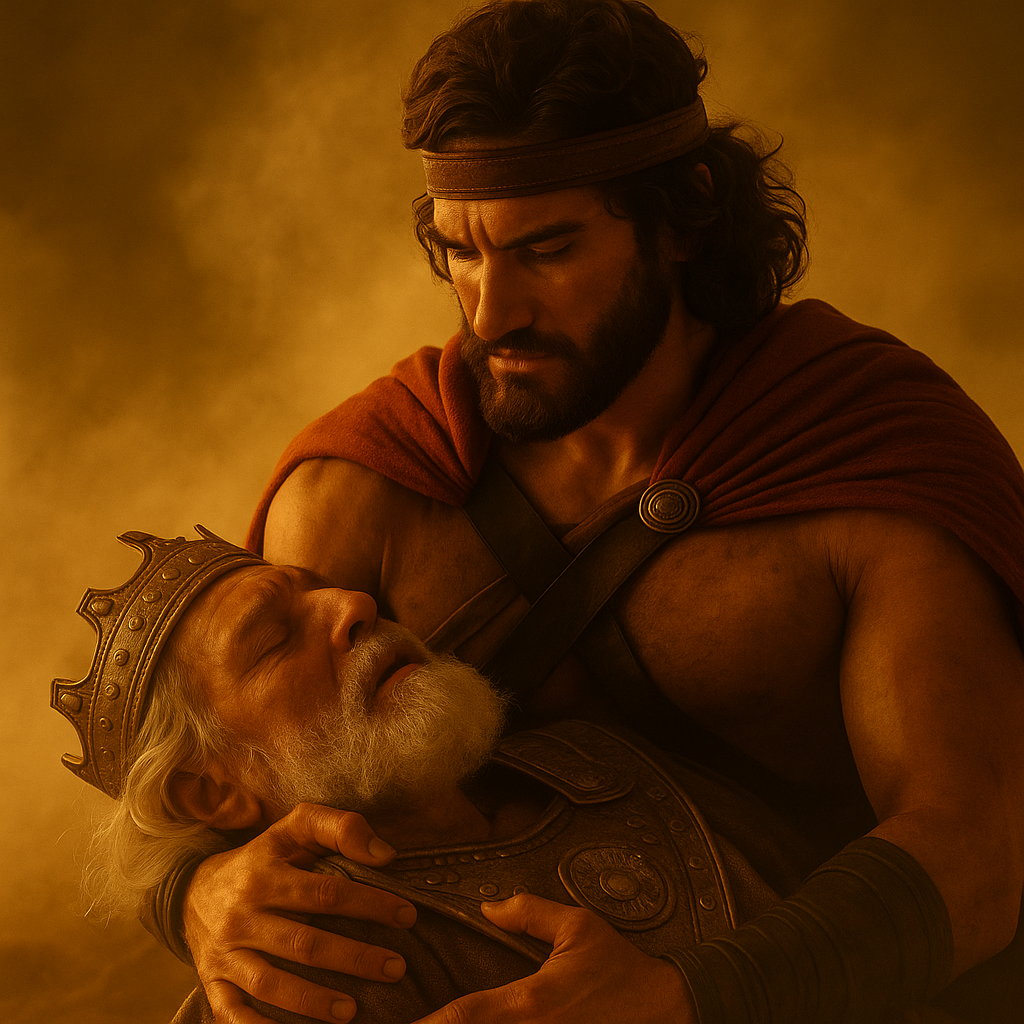
EPISODE 1
“Prince Gilgamesh”
Logline: A reckless young prince ignores a divine warning and loses his father to a barbarian attack.
Summary: As King Lugalbanda dies, he commands his son Gilgamesh to “Build the walls up to Heaven.” But Ishtar refuses to crown Gilgamesh until he learns wisdom, setting the stage for a cosmic power struggle.
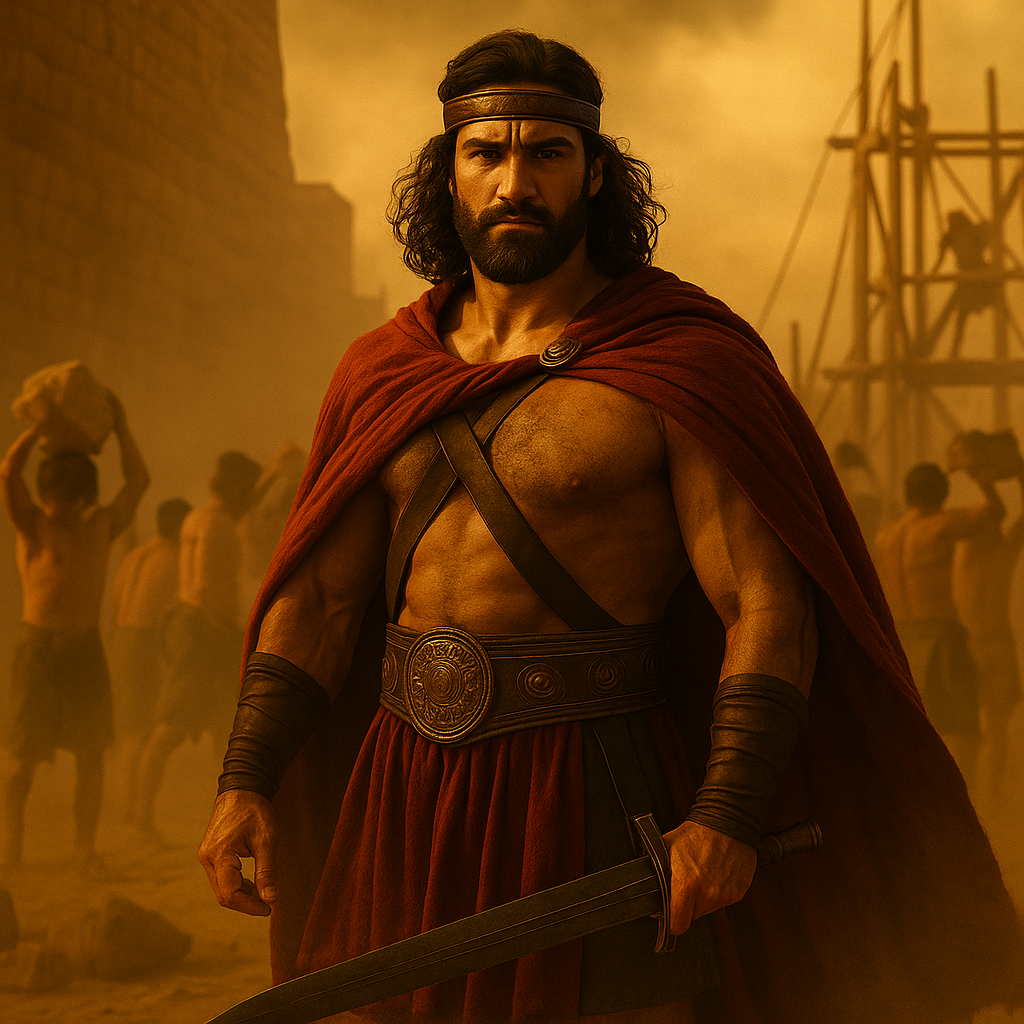
EPISODE 2
“Build the Walls Higher.”
Logline: Gilgamesh seeks the crown through prowess, sexual attraction, force and fear.
Summary: After a failed attempt to win Ishtar through seduction, Gilgamesh enslaves Uruk’s young men to build colossal walls. His abuse of power sparks outrage, leading the gods to create a challenger: Enkidu, the wild man.
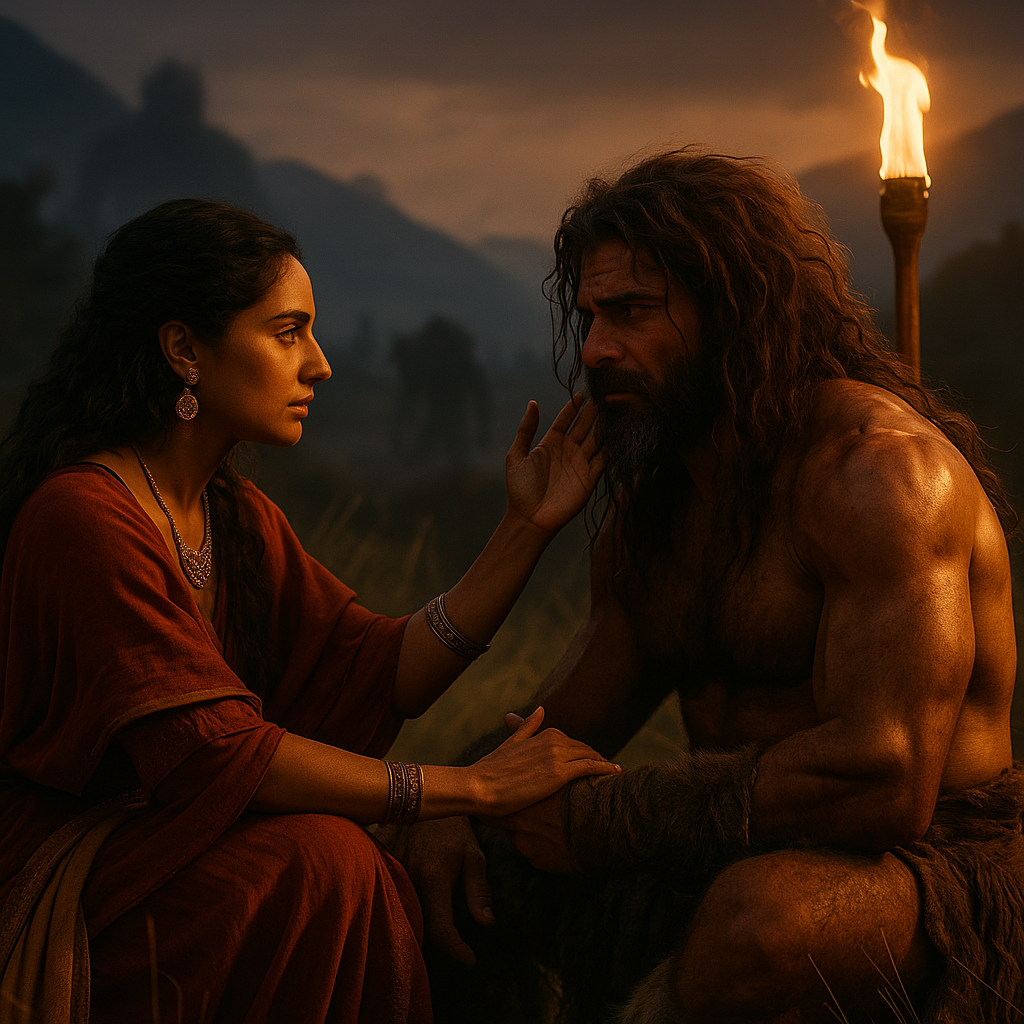
EPISODE 3
“Seven Nights of Erotic Lovemaking”
Logline: A love priestess seduces a wild man destined to challenge Gilgamesh.
Summary: Ishtar, the divine Goddess of “Sex, Fertility and War”sends Shamhat her temple’s most seductive Love Priestess, to the mountains to civilize Enkidu. After seven nights of erotic sex, Enkidu becomes civilized. But is terrified when he encounters the monster, Humbaba, created by the Gods to protect the forest.
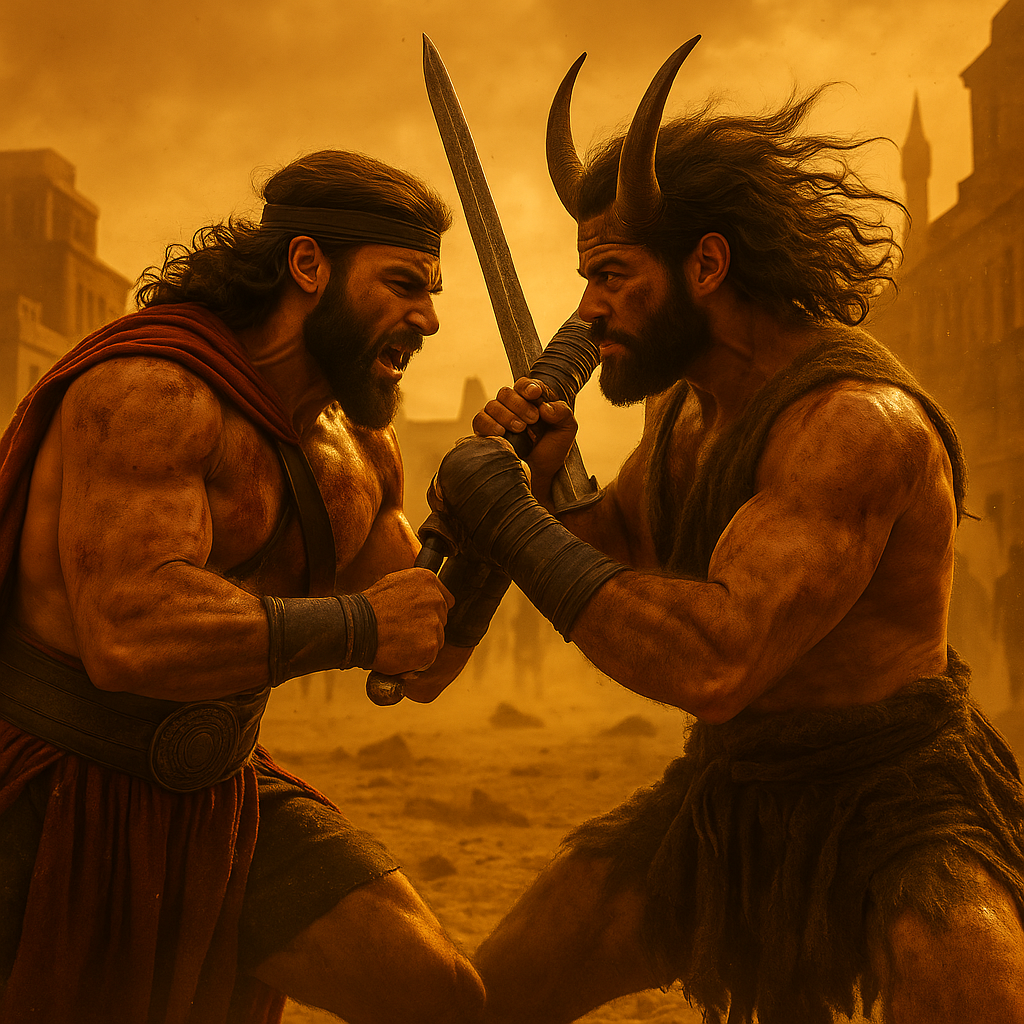
EPISODE 4
“Brothers.”
Logline: Two titans clash — and forge an unbreakable bond.
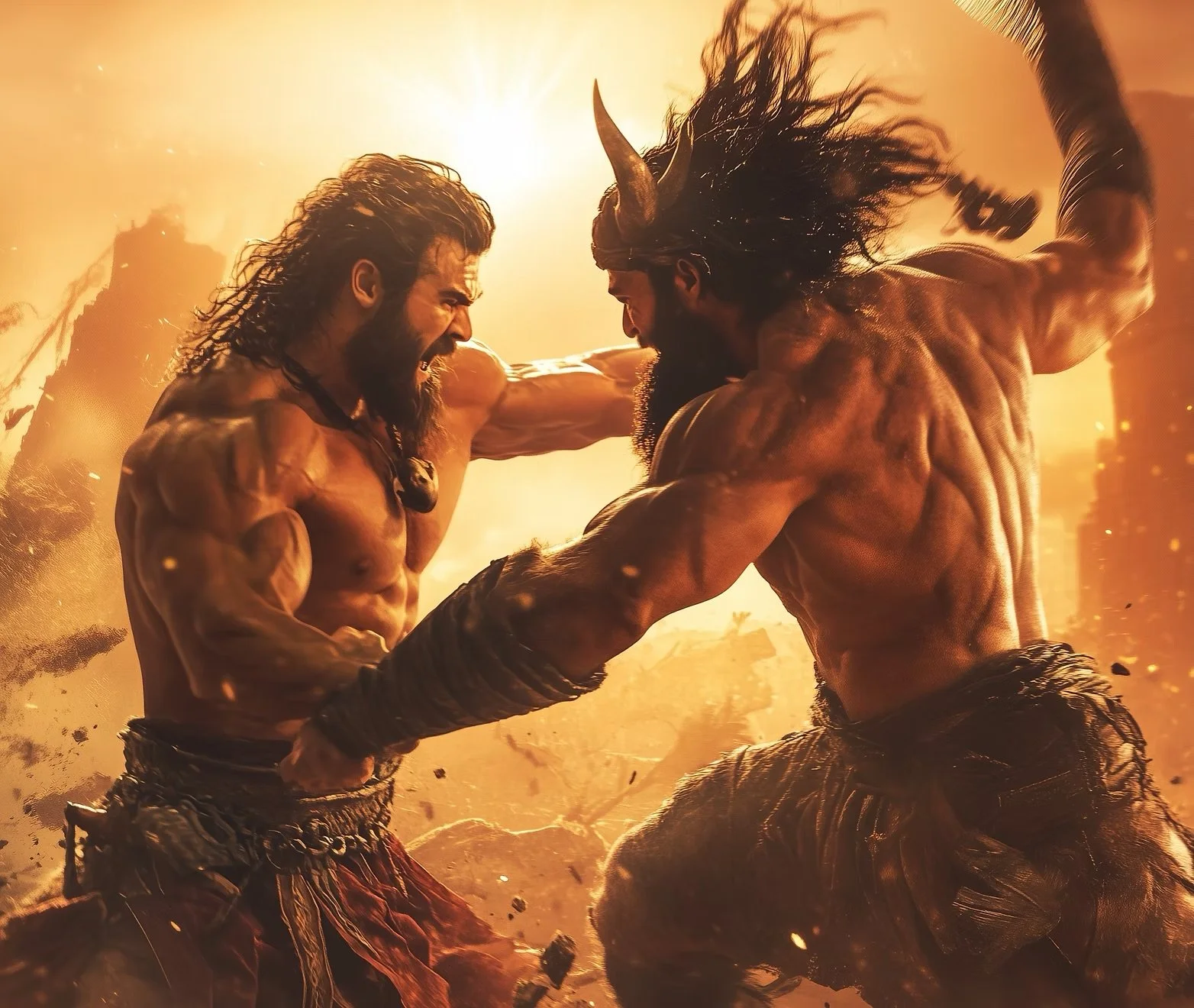
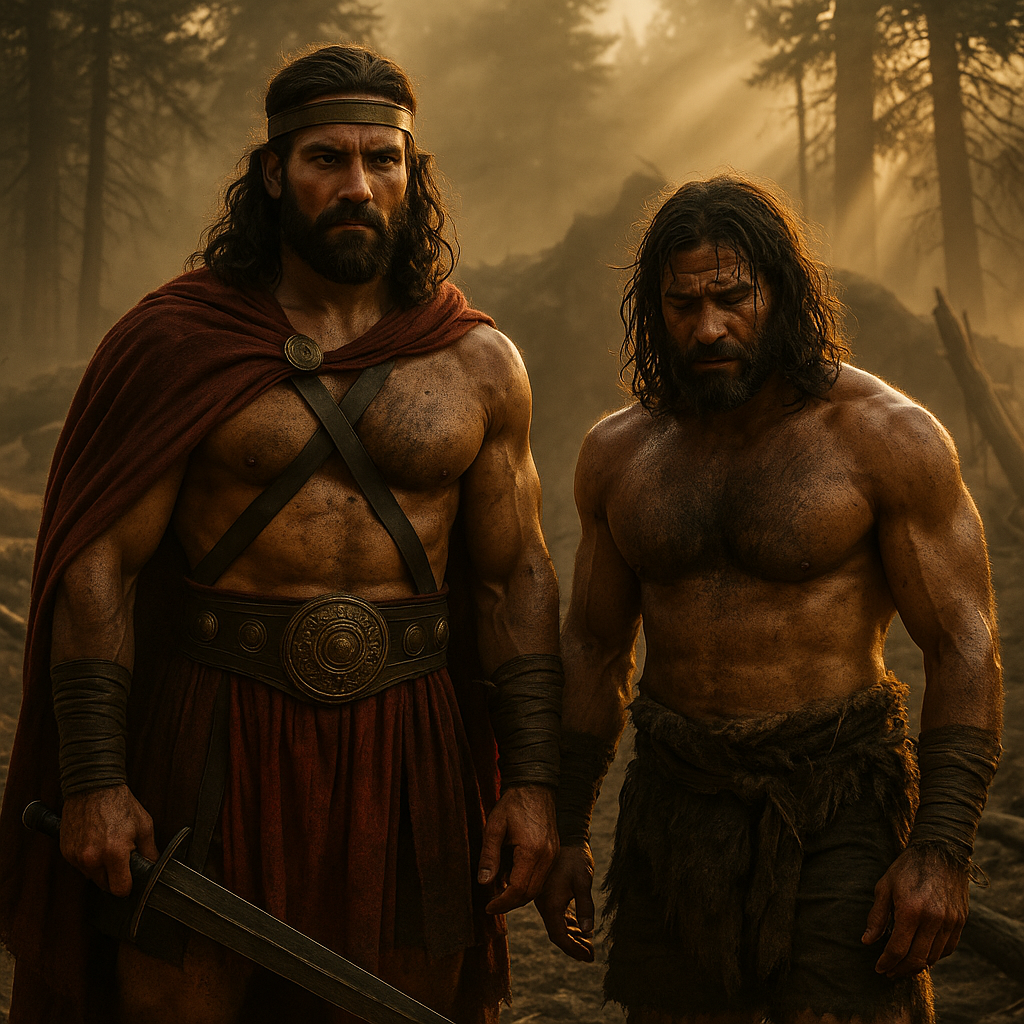
Summary: Enkidu arrives in Uruk, defeats Gilgamesh in a brutal duel, then he saves Gilgamesh from falling to his death. The two become brothers, enraging Ishtar as Gilgamesh chooses Enkidu instead of her.
EPISODE 5
“Humbaba.”
Logline: The brothers kill a monster and ignite a goddess’s fury.
Summary: Gilgamesh and Enkidu slay Humbaba and return to Uruk with Humbaba’s head. Ishtar crowns Gilgamesh then she proposes marriage. Gilgamesh publicly rejects her, shaming the goddess.
EPISODE 6
“The Bull of Heaven.”
Logline: Ishtar unleashes divine wrath to punish Gilgamesh.
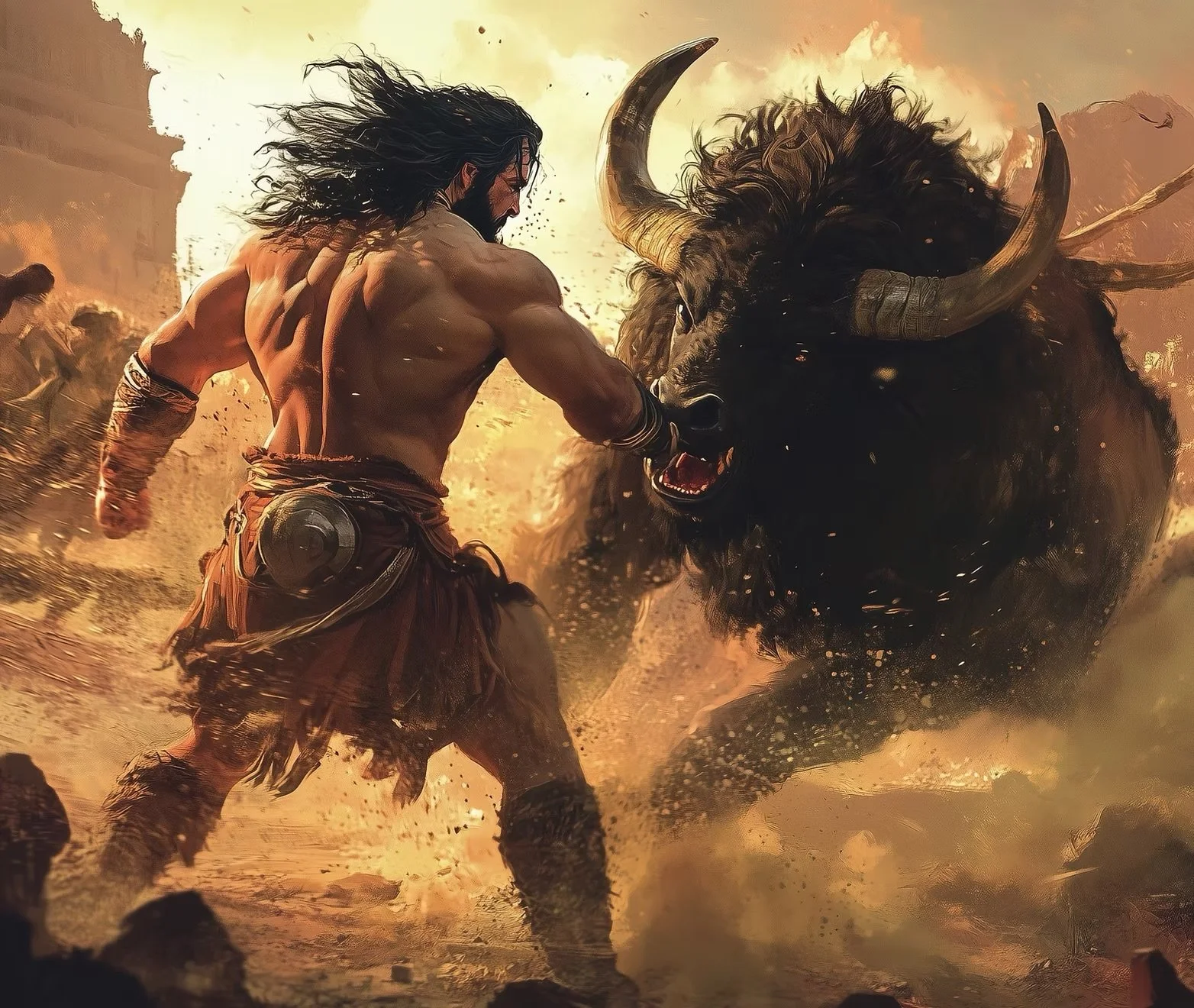
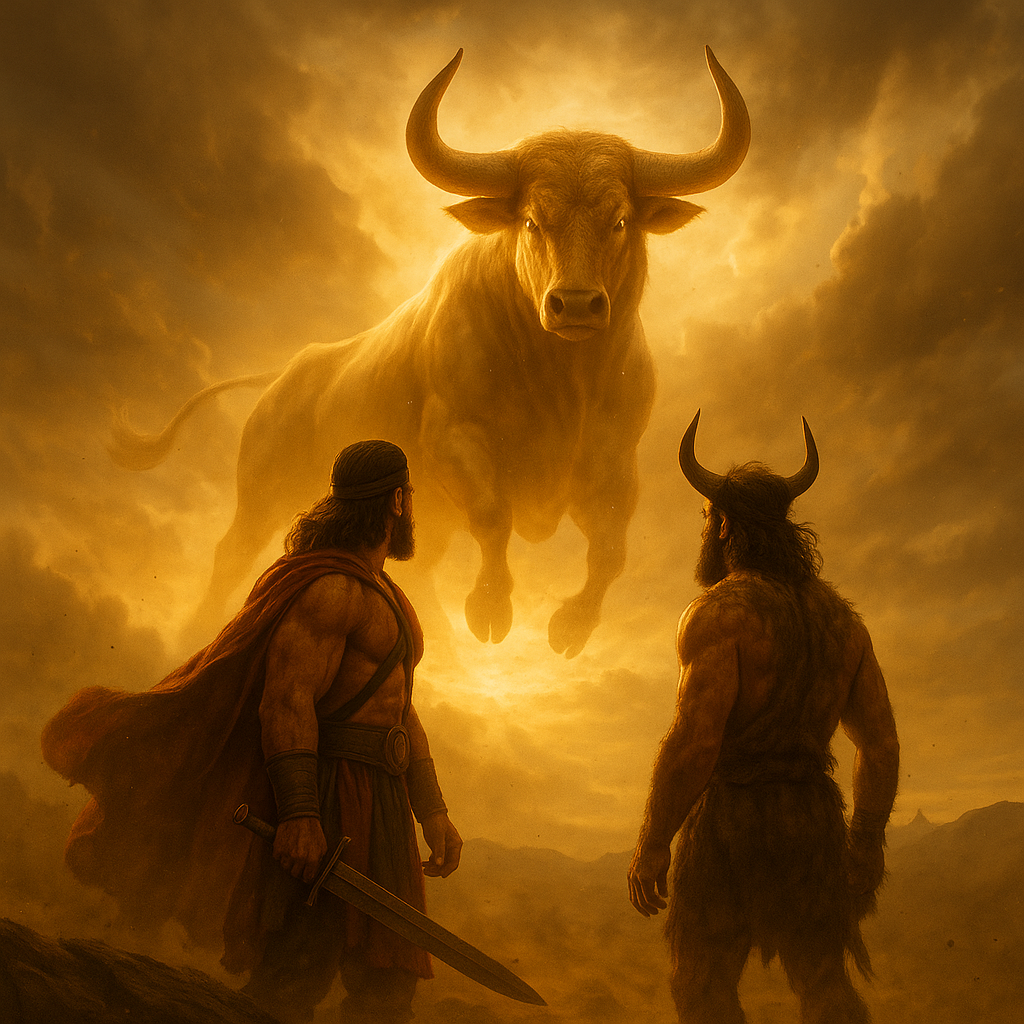
Summary: Furious and jealous, Ishtar convinces her father the supreme god Anu, to release the Bull of Heaven to kill Gilgamesh. Gilgamesh and Enkidu kill the Bull — upsetting the gods.
EPISODE 7
“Enkidu Must Die.”
Logline: The gods demand punishment and decide to finish Enkidu.
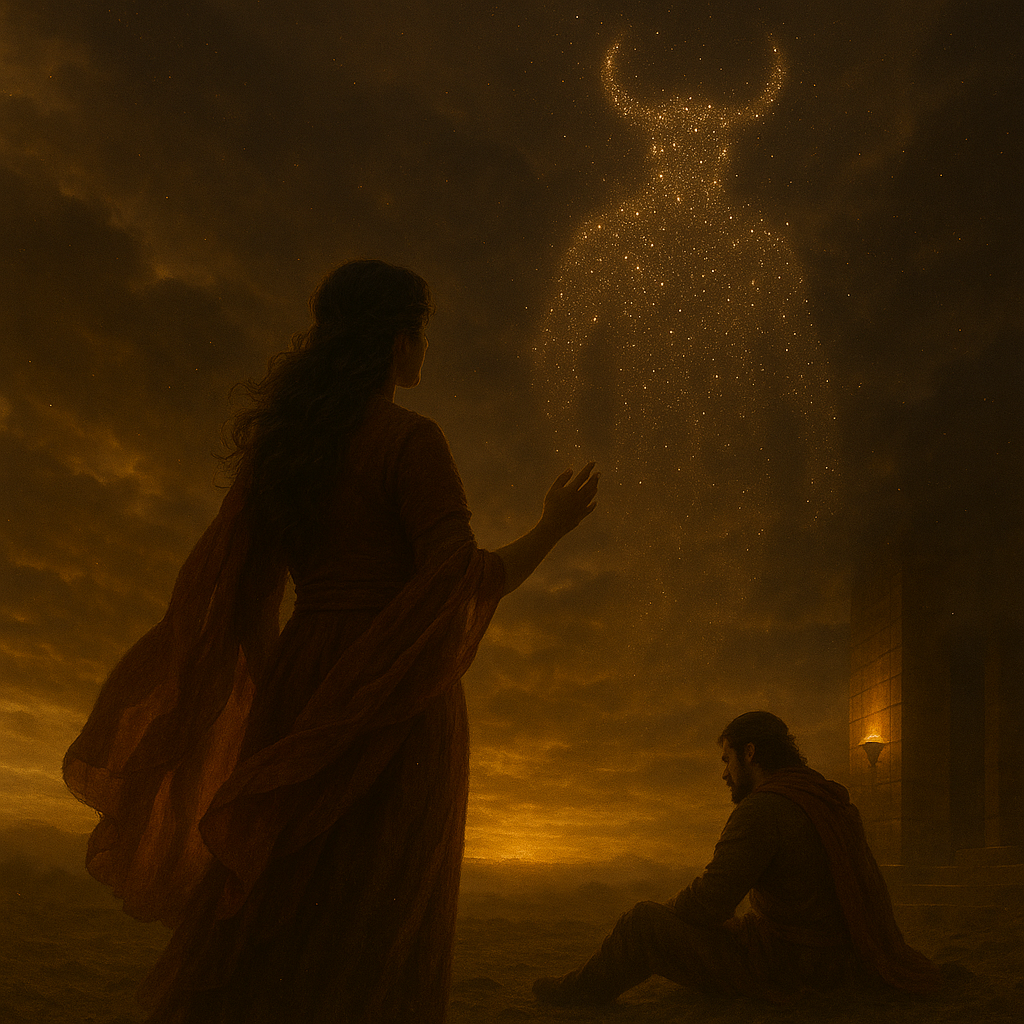
Summary: The gods vote that Enkidu must die. Enkidu’s death shatters Gilgamesh, who refuses burial for seven days. When Shamhat kills herself over Enkidu, Gilgamesh abandons his kingdom to seek immortality.
EPISODE 8
“The Garden of the Gods.”
Logline: Gilgamesh journeys to seek Immortality as Ishtar shadows him across the wilderness.
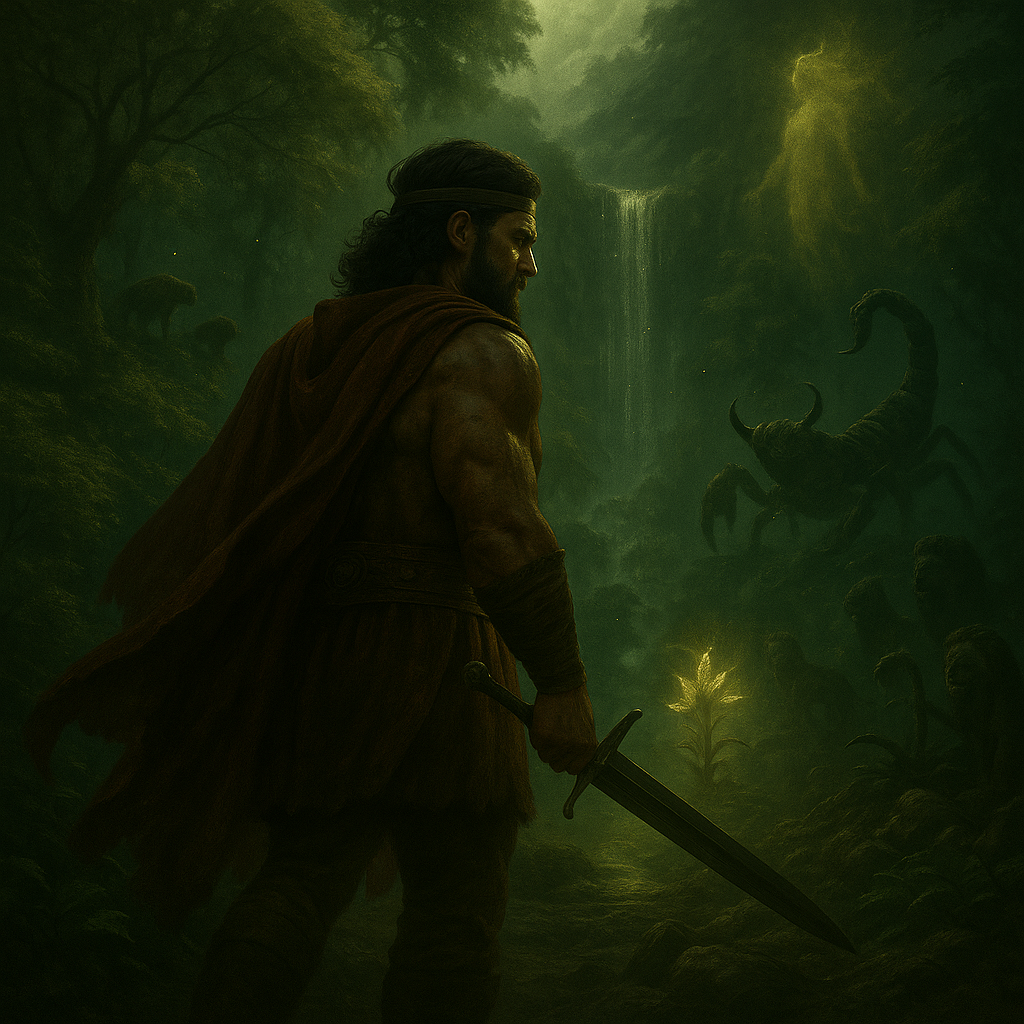
Summary: Gilgamesh fights lions, scorpion demons, and the beasts of the mountain tunnel on his way to Utnapishtim, while Ishtar secretly manipulates events to stop him.
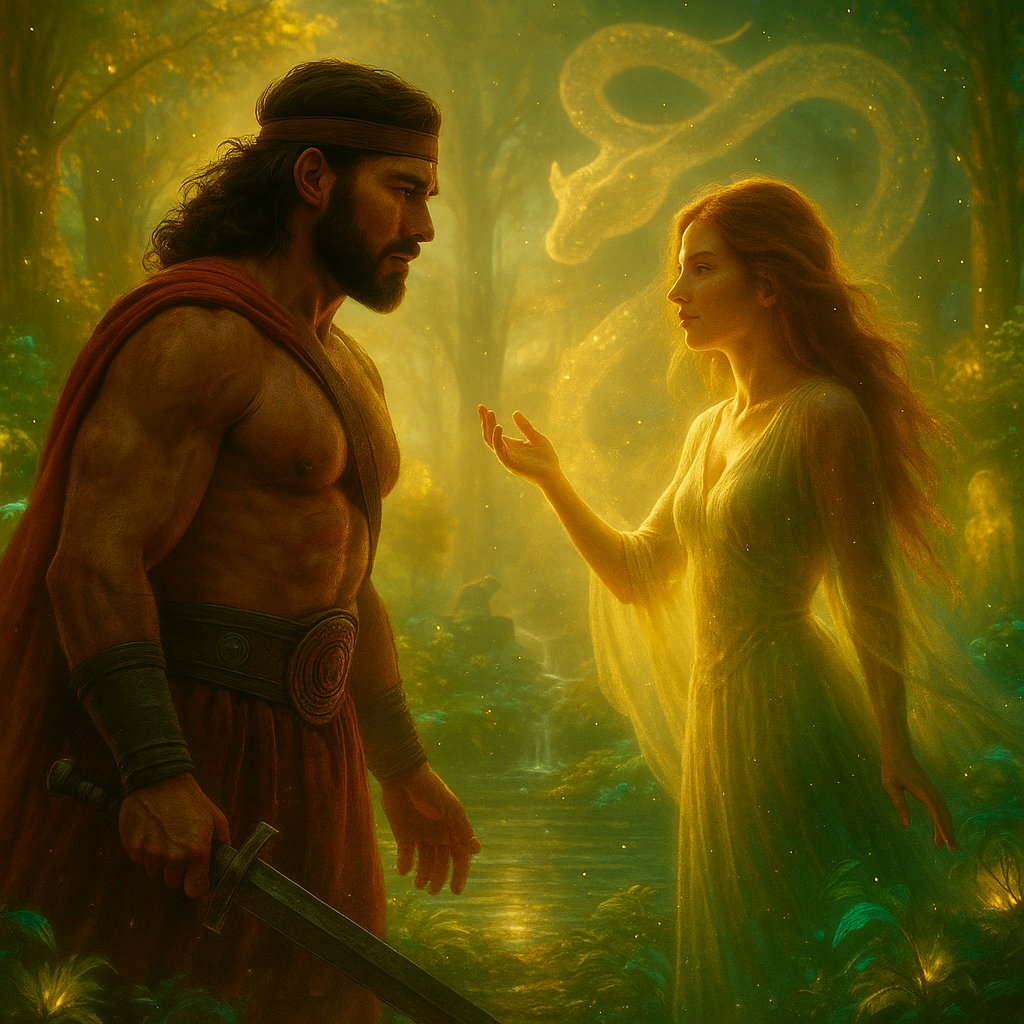
EPISODE 9
“Paradise.”
Logline: The Goddess of Paradise tries to trap Gilgamesh in eternal pleasure.
Summary: In the Garden of the Gods, Eviva — another manifestation of Ishtar — seduces Gilgamesh and later attacks him as a serpent, biting off his index finger. Gilgamesh escapes and continues his quest.
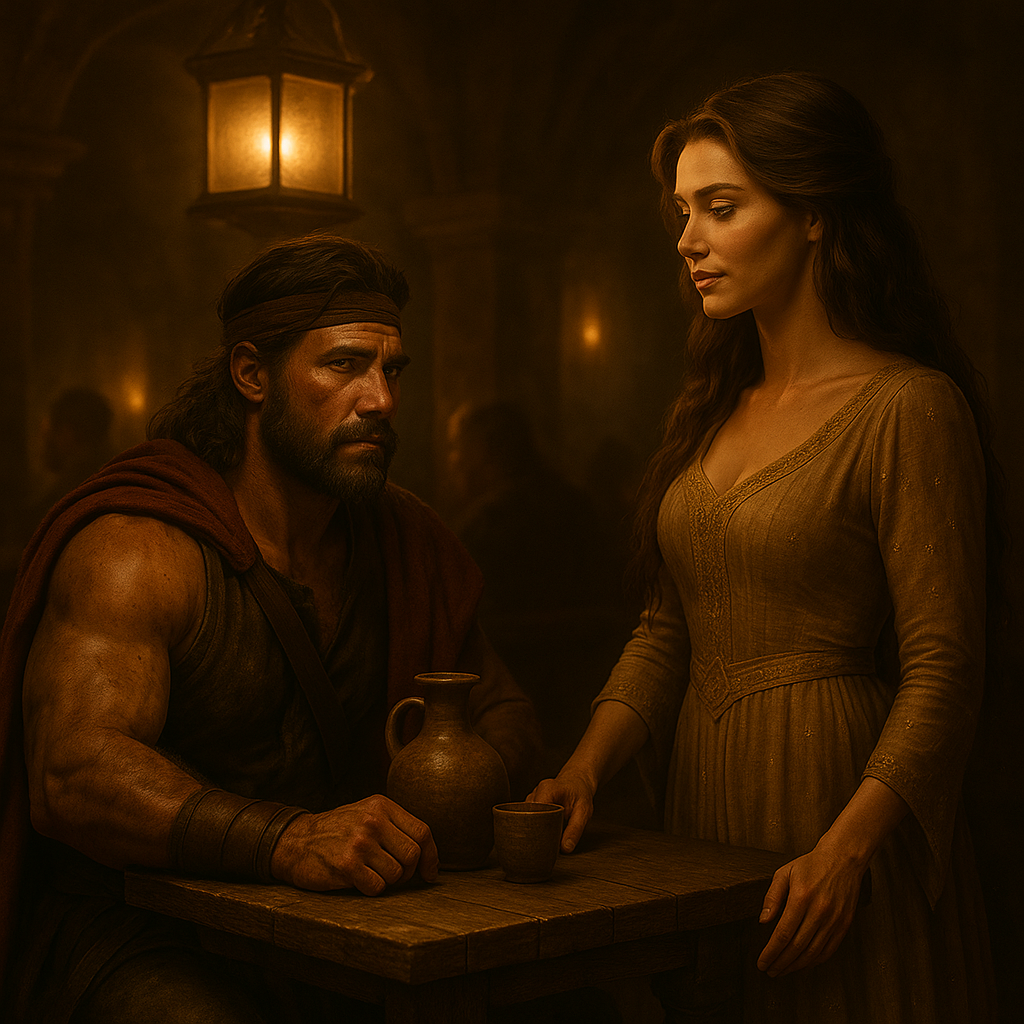
EPISODE 10
“Zara’s Bar.”
Logline: A night of wine, betrayal, and divine passion changes everything.
Summary: Gilgamesh rests at Zara’s bar — unaware she is yet another manifestation of Ishtar. After failed attempts to kill him, she and Gilgamesh fall into an explosive night of lovemaking. Gilgamesh presses on and finally reaches Utnapishtim.
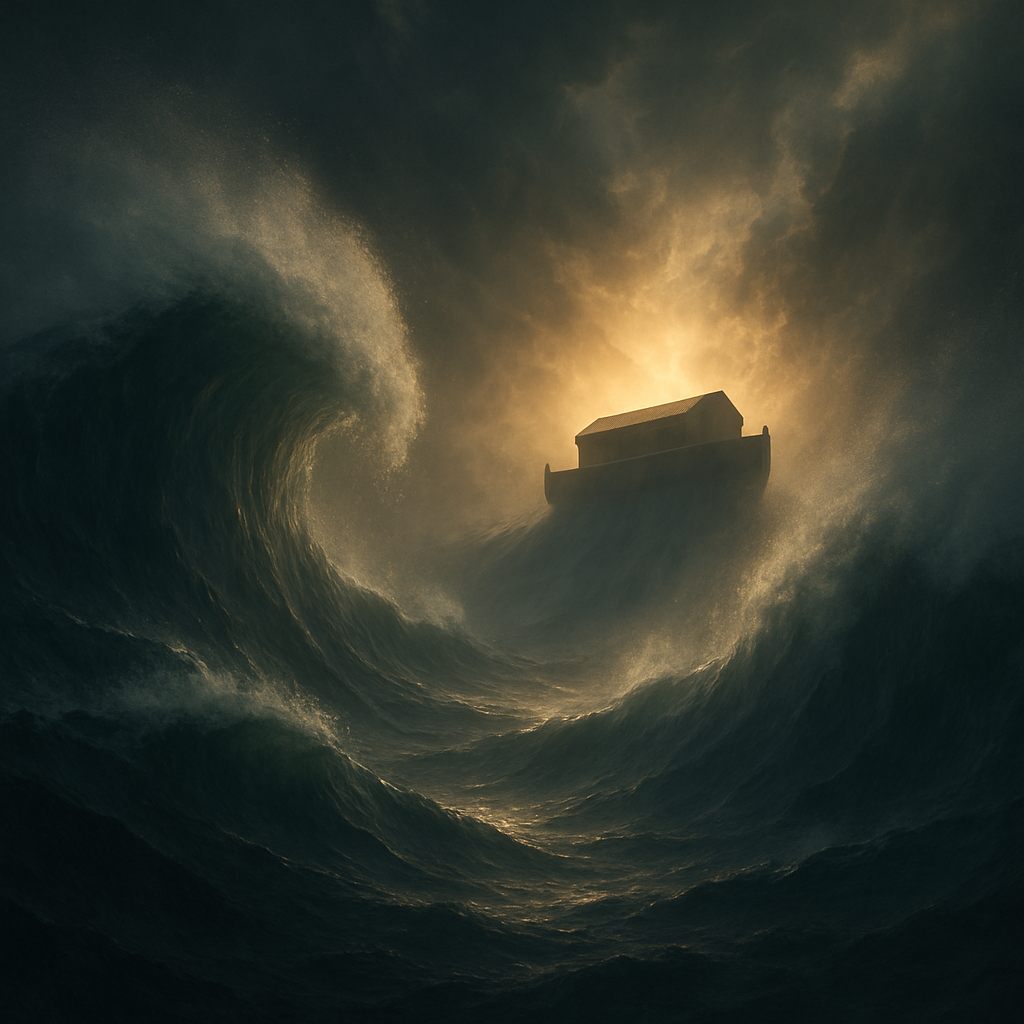
EPISODE 11
“The Flood.”
Logline: Utnapishtim, the biblical Noah story of the Great Flood, reveals the ancient truth: Immortality is not for mankind.
Summary: Gilgamesh learns the story of the Great Flood and why only the gods may live forever. He begs for eternal life but fails Utnapishtim’s test, earning only one last chance.
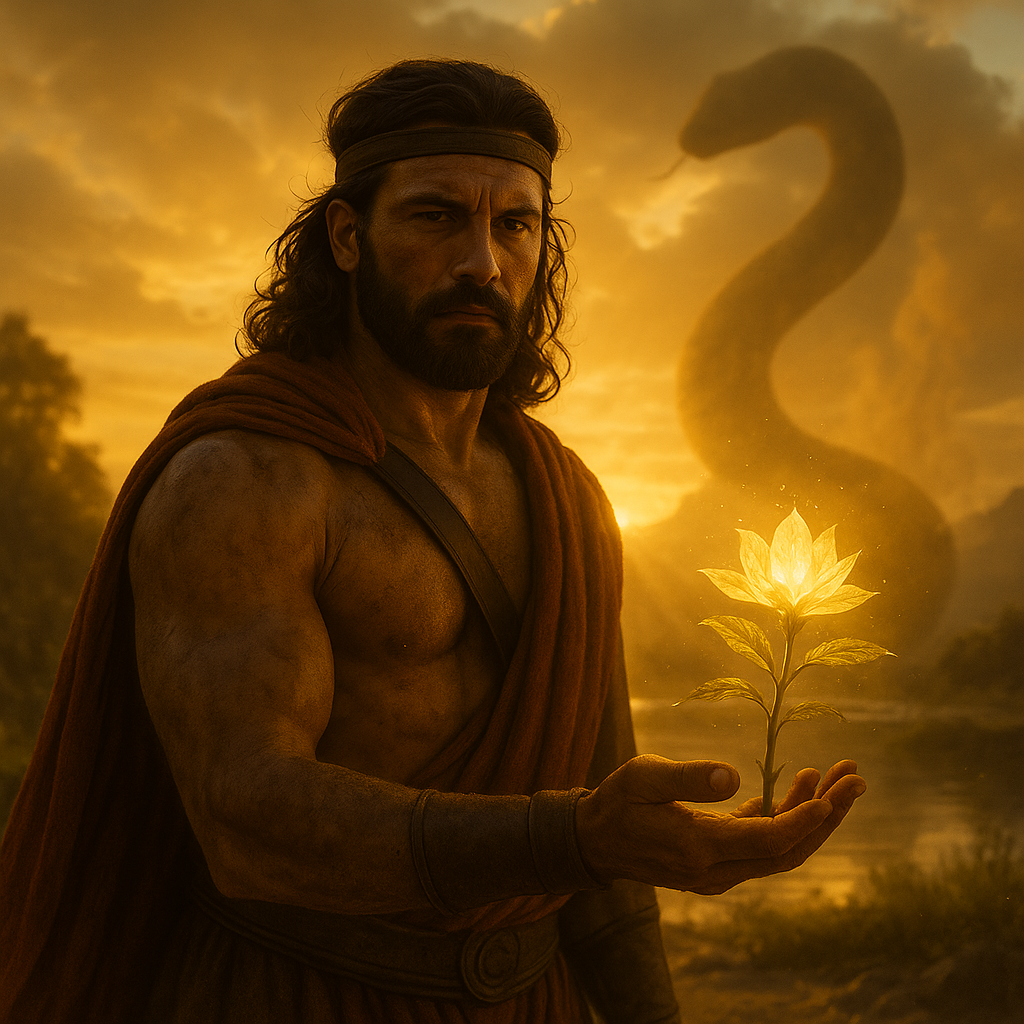
EPISODE 12
“The Plant of Youth.”
Logline: Gilgamesh learns that life, not Immortality, is the true destiny of the king.
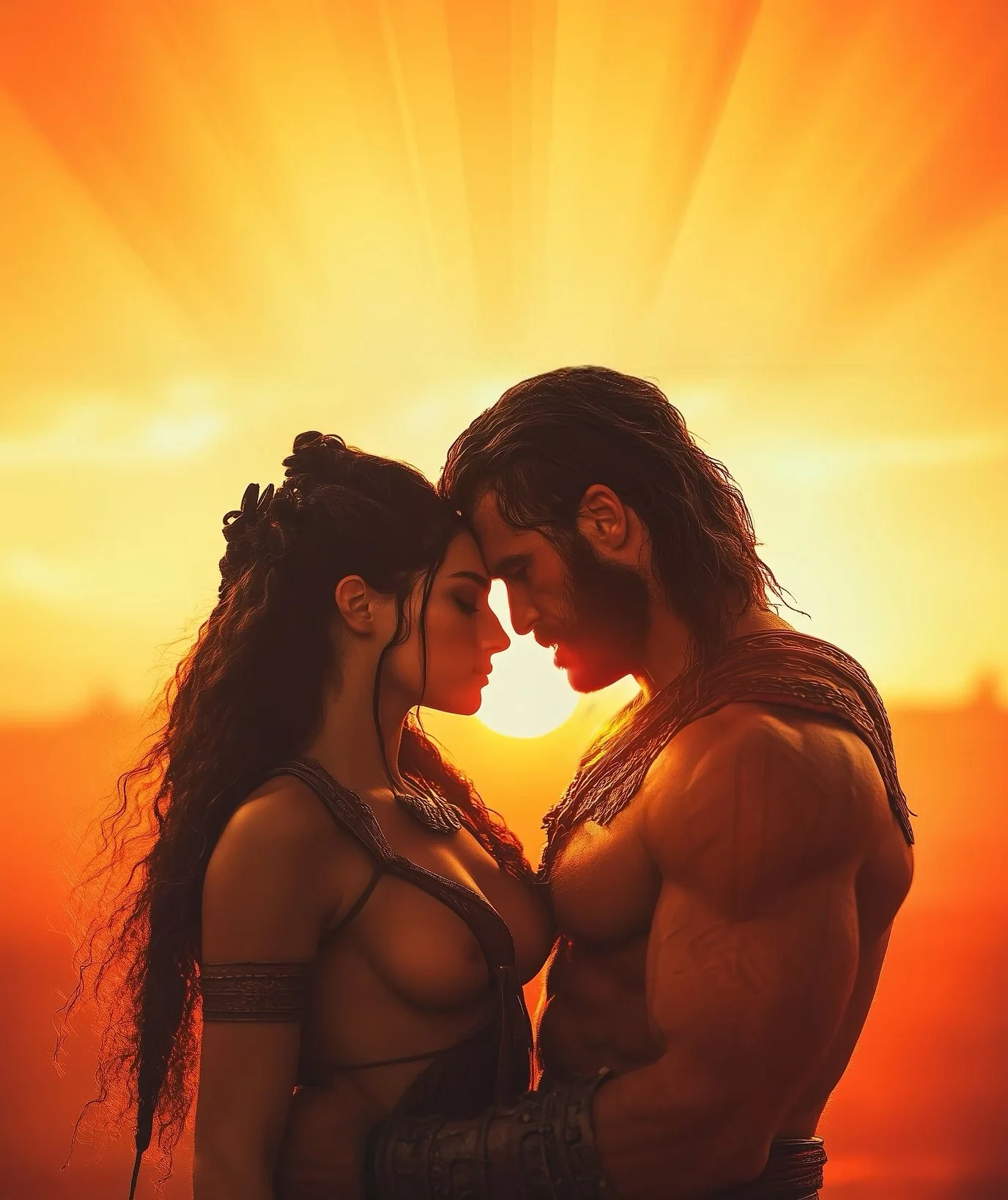
Summary: Gilgamesh retrieves the Plant of Youth but loses it to a serpent. Accepting the wisdom of mortality, he returns home transformed. He reunites with a transformed Ishtar; they marry and begin a new legacy for Uruk.
08. CHaracters
-
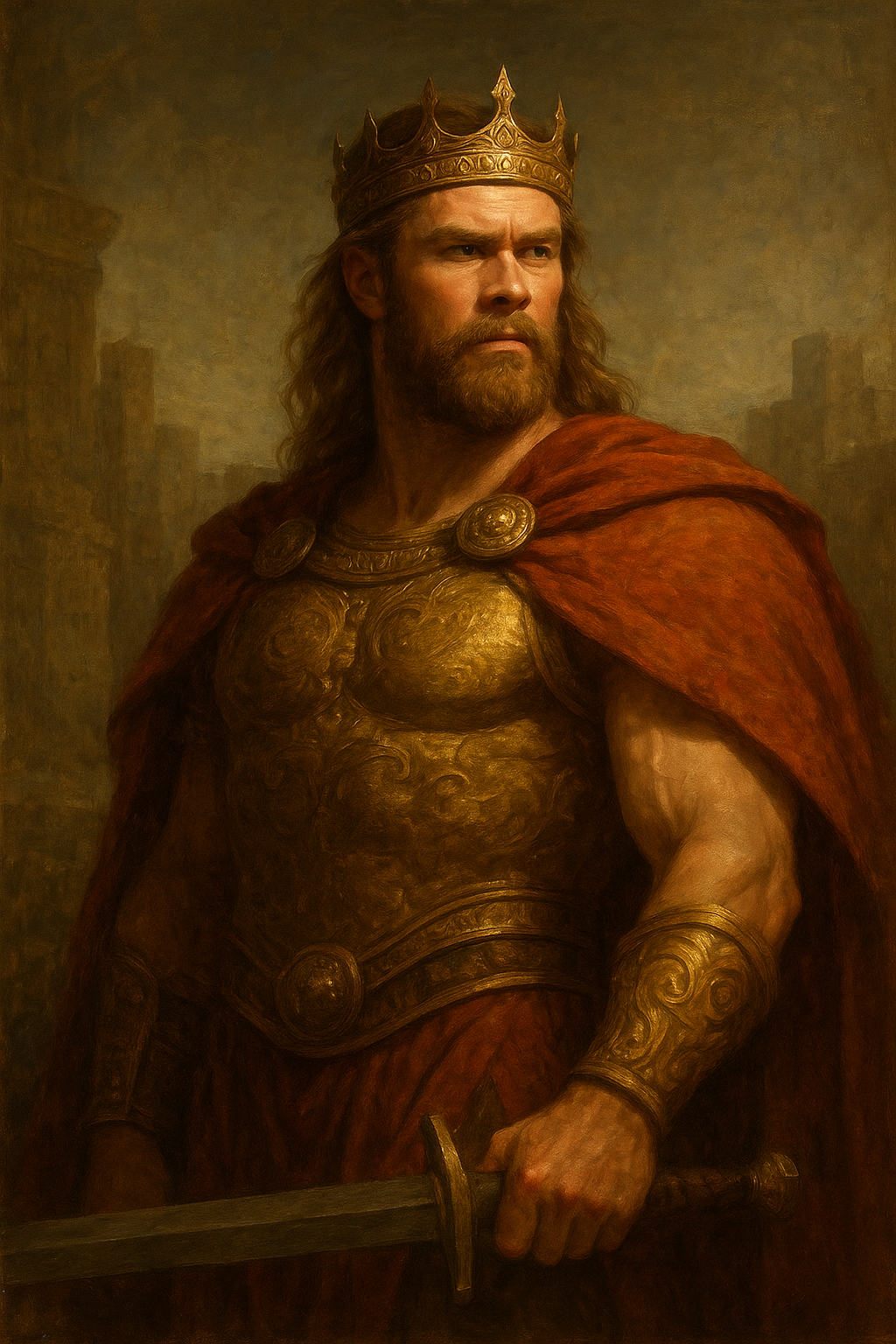
The King of Uruk
Half-God. Half-Man. Entirely unprepared for what fate demands of him.
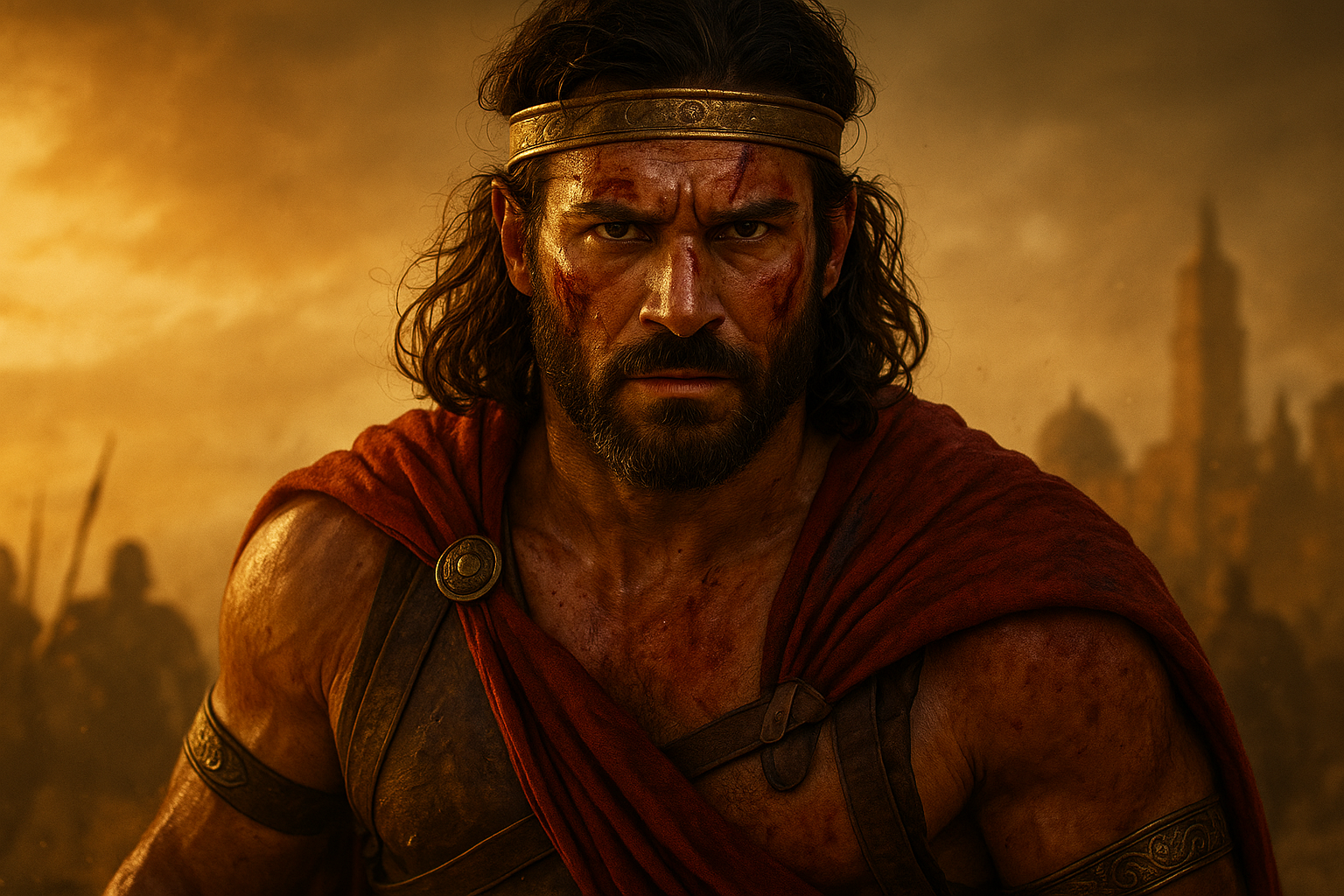
Divinely handsome and impossibly strong, 25-year-old Prince Gilgamesh is believed to be the son of a god. Arrogant, restless, and driven by a need to prove himself, he ignores Ishtar’s warnings and fails to save his father from assassination.
Now ruling as a feared young king he builds the walls “to reach the gods,” powered by forced labor.
But when his wild friend Enkidu is killed, Gilgamesh’s world fractures. Heartbroken and hunted by the furious Goddess Ishtar — who has fallen violently in love with him — he abandons his throne and sets out on humanity’s first quest for Immortality.Arc: Tyrant → Brother → Seeker of truth.
-
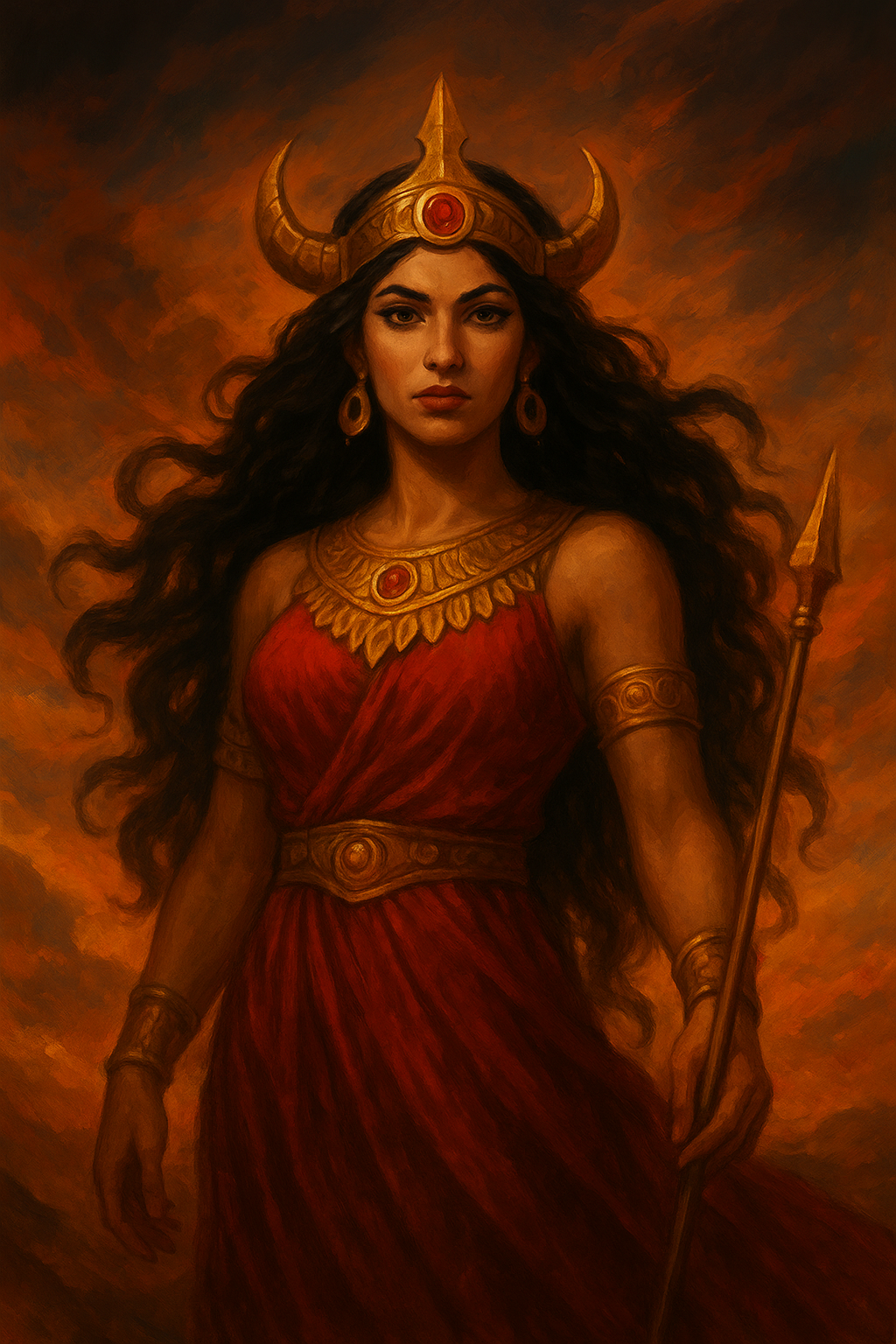
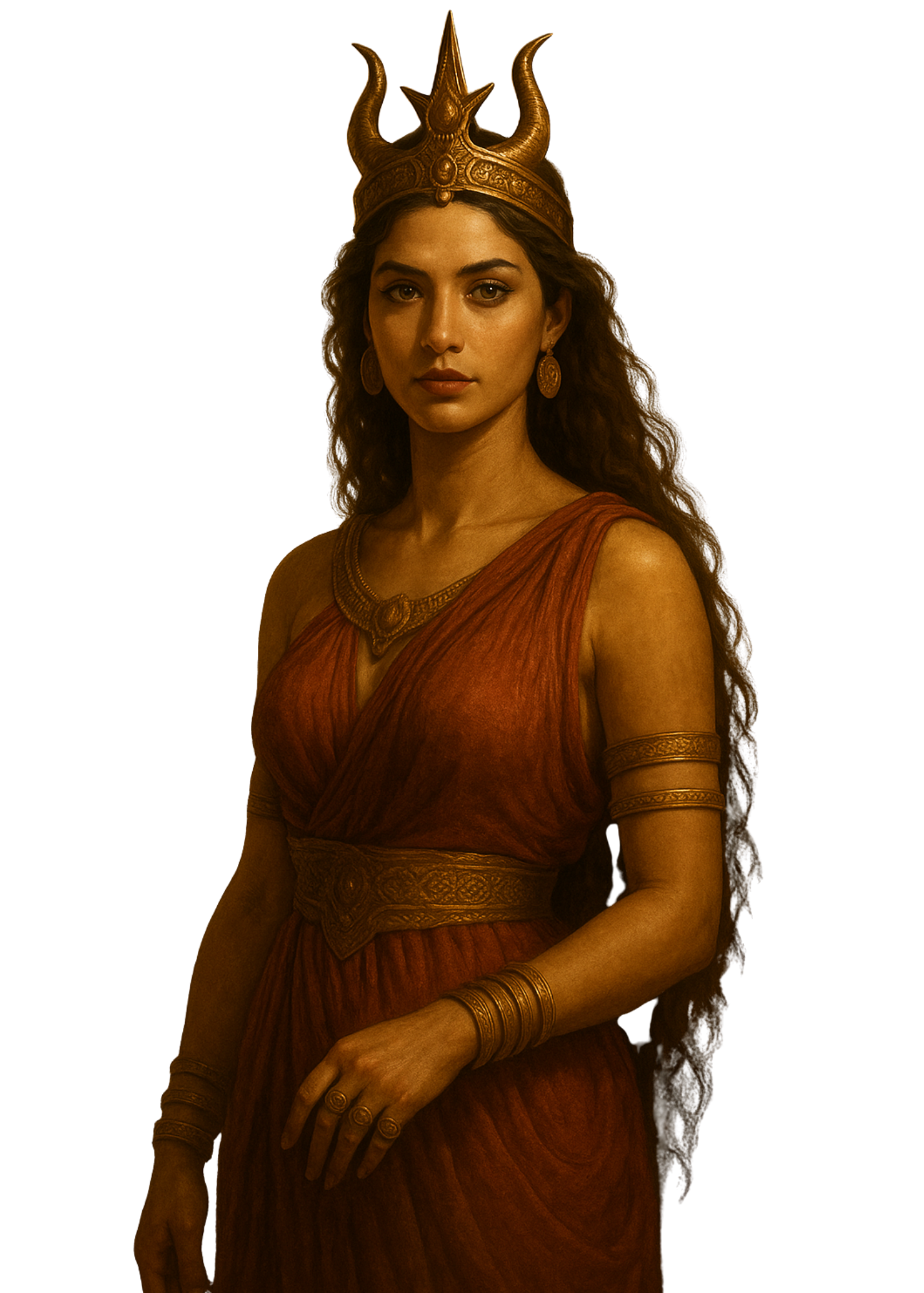
Goddess of Love, War, and Power
The divine force that reshapes destiny.
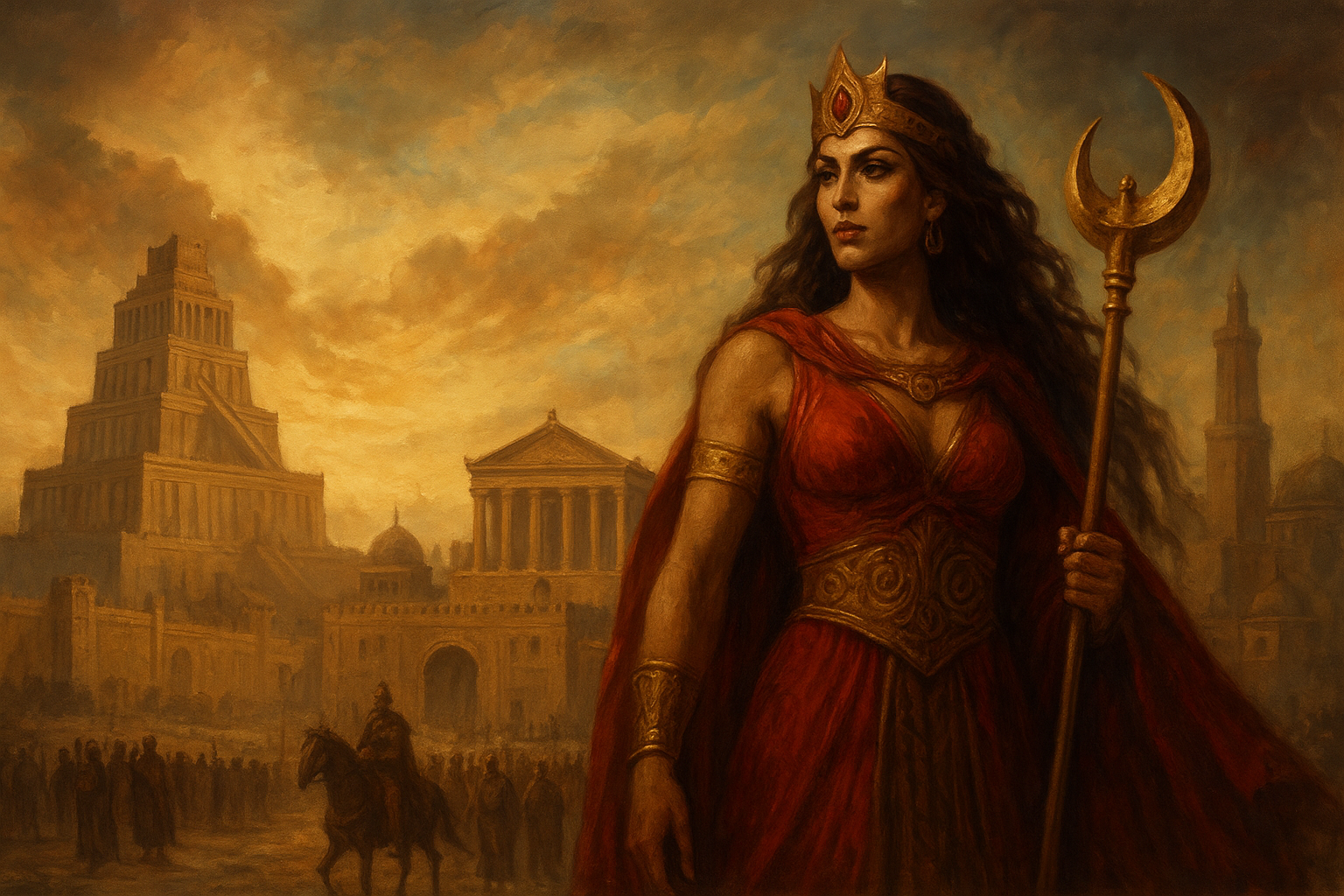
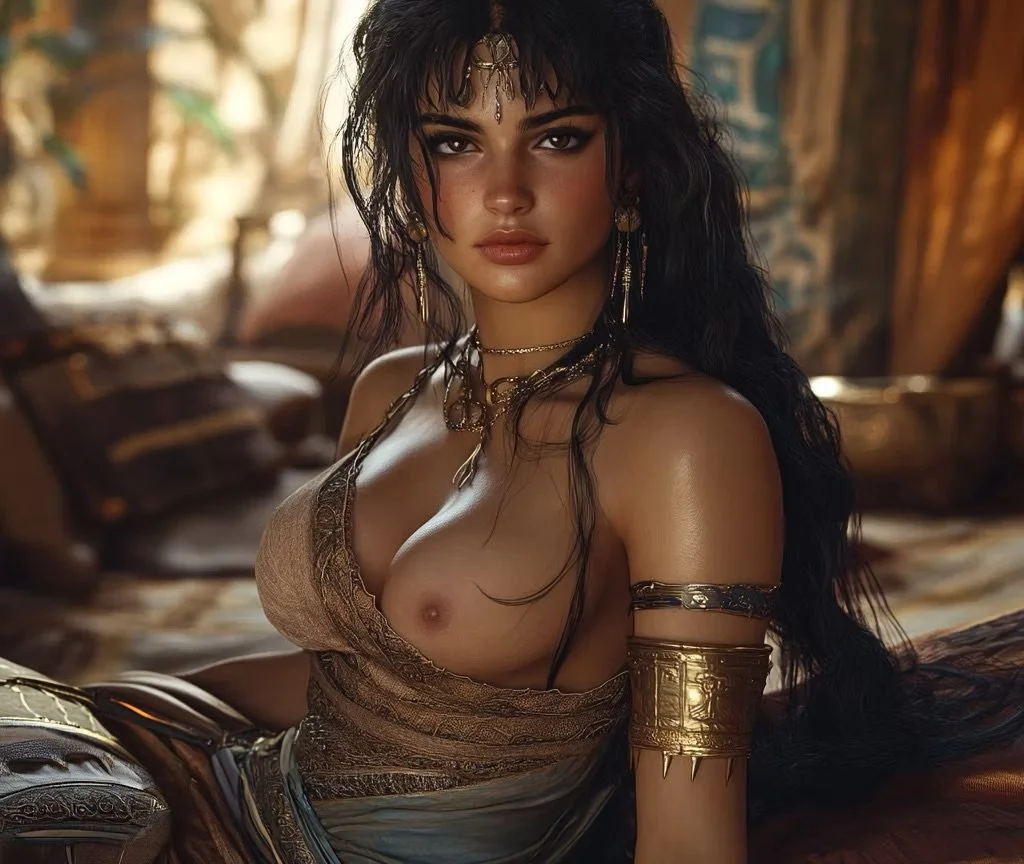
A breathtaking avatar descended from the heavens, Ishtar appears in human form — seductive, wise, unpredictable, and fueled by human passions. As Uruk’s chief deity, only she can crown Gilgamesh as king, but she refuses until he learns humility.
Before Gilgamesh, she takes mortal lovers freely, marking each conquest with a ring. But when the prince rejects her, her desire turns into obsession.
Ishtar’s power is destructive and dangerous — capable of saving Uruk from invaders or bringing ruin upon men who defy her.Arc: Temptress → Obsessive lover → Divine adversary.
-
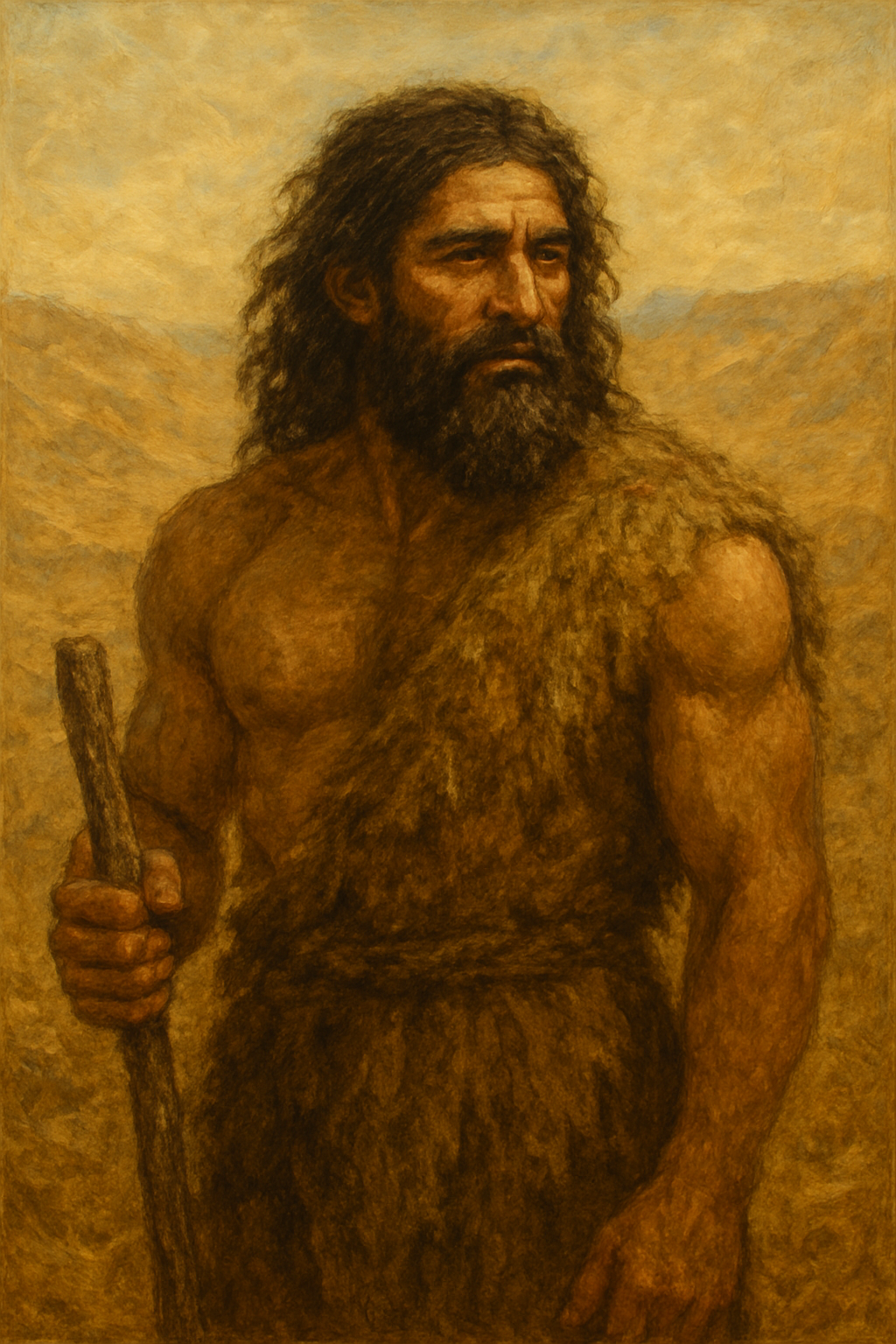
The Wild Man
Born of the gods. Raised by nature. Destined to change a king.
Enkidu is part-animal, part-man — strong as Gilgamesh, covered in hair, with horns. Pure-hearted, intuitive, and deeply connected to nature, he protects the animals of the mountains like family.
Created by the gods to challenge Gilgamesh, he is seduced and “civilized” by Shamhat, the most sensual love priestess of Ishtar’s temple, then to bring him to Uruk to confront the tyrant.
Leaving his animal companions is the greatest sorrow of his life… and the first step toward a friendship that will define the epic.Arc: Enemy → Brother, Friendship, Love
09. CAST WISHLIST
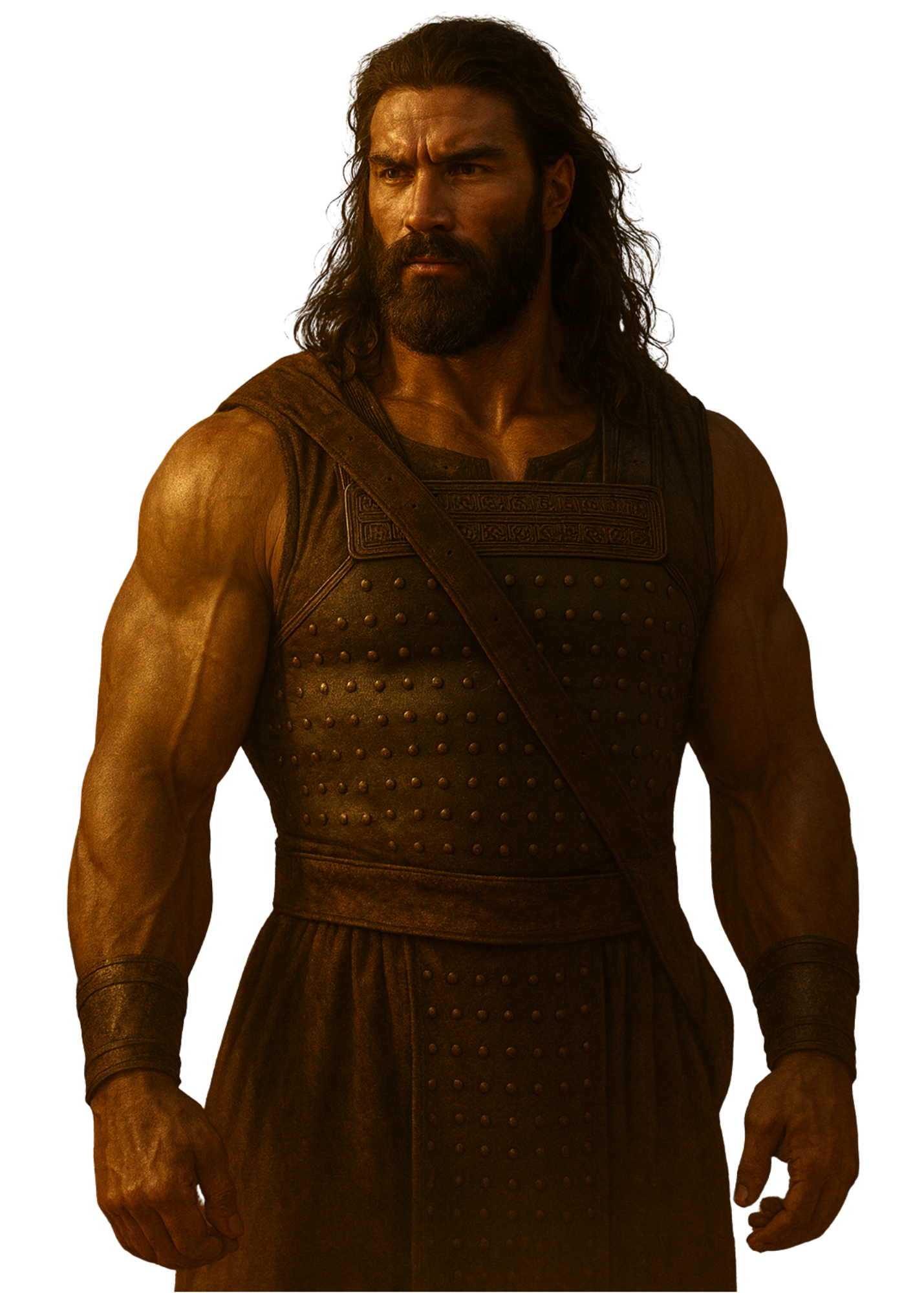
CHRIS HEMSWORTH
as King Gilgamesh

ANA DE ARMAS
as Goddess Ishtar